Living in a high-rise apartment comes with unbeatable views, but it also brings challenges when it’s time to rest.
Sure, blackout shades can do the trick, but there may be gaps through which light can still flood your space during the day. And at night, city lights, neon signs, and reflections from nearby buildings will be able to creep in. These can disrupt your body’s natural sleep cycle, lower melatonin production, and leave you feeling less refreshed.
Fear not. There are ways you can eliminate much of the light that disrupts your sleep. With the right window treatments and add-ons like side channels, you can stop light dead in its tracks.
Stay glued as we talk about the five best ways to darken your high-rise living space to create the perfect sleep sanctuary.
1. Start With Dark-Colored Blackout Shades or Blinds
Think of light as an unwanted enemy, and blackout shades are your first line of defense. Unlike standard blinds, these are specifically designed to block any and every harsh ray.
Popular options include:
- Roller blinds with blackout fabric
- Cellular shades with layered material
- Roman blinds lined with light-blocking textiles
Whichever floats your boat, each of these blind options offers a sleek look while cutting glare and maintaining privacy. Of course, even with the best of blinds, light may still be able to enter through gaps. And even the smallest sliver of light from outside can wreak havoc on your sleep.
So, what do you do?
This brings us to the next tip.
2. Bolster Your Light-Blocking Blinds with Side Channels
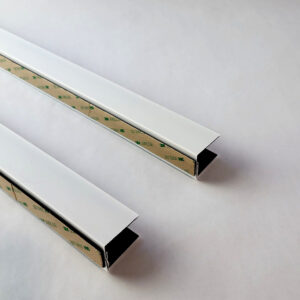
Those bright slivers of light sneaking in along the sides of your blinds are the biggest culprits in ruining true darkness. Side channels, also called sidetracks, solve this issue instantly. These slim, easy-to-install tracks fit along the vertical edges of your window frame, hugging the sides of your existing shades or blinds to block any leaking light.
If your high-rise apartment is surrounded by bright city lights, side channels make an enormous difference. They’re compatible with most types of window coverings and create a snug barrier that helps you achieve near-total blackout conditions.
3. Layer Up Your Light Protection With L-Tracks
You’ll block out most outside light with blackout blinds and side channels, but you may want to add more light protection for those pesky gaps, especially if your windows are uniquely shaped, wide, or recessed.
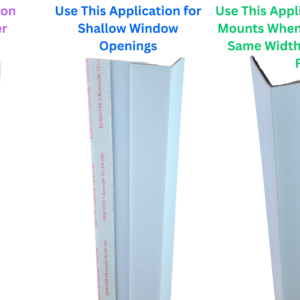
To fill those gaps and keep light out, L-tracks level up your light protection. These tracks mount along the sides of your blinds, sealing the same light leaks as side channels but offering a little more flexibility for unusual setups. They’re also cuttable to size, so you can tailor them to any window — perfect for renters and high-rise dwellers who need a low-impact solution.
4. Install a Top Track to Block Overhead Leaks
Many blackout setups overlook the top of the window, where small gaps between the shade and frame can allow light to sneak in. A top track covers this area completely, forming a barrier that prevents ceiling or outdoor light from slipping through.
When paired with side or L-tracks, a top track creates an enclosed frame that offers the closest thing to full blackout conditions short of a dedicated darkroom. This is especially helpful in bedrooms or media rooms where total light control is essential.
Top up your lighting protection with top tracks, and you’ll experience a darker, cooler, and calmer space that feels instantly more restful.
5. Layer With Curtains or Window Films for Extra Control
Once your blinds and tracks are working together to block major light leaks, you can fine-tune your setup with a few additional touches. Thick curtains not only add style and texture but also help absorb sound and reinforce darkness. They’re a great aesthetic complement to the practical seal created by your tracks.
If your building has restrictions on window treatments, give window films a try. The film adheres directly to the glass, and while it won’t fully black out your room, it can reduce glare and UV exposure.
Bonus Tips for a Better Sleep Environment
Creating a pitch-dark room is just one part of improving your sleep quality. Try these small tweaks for an even more restful setup:
- Keep your bedroom door closed to block hallway light.
- Unplug or cover small LED indicators from chargers and electronics.
- Use a comfortable sleep mask as backup protection.
- Maintain a cool room temperature to support deeper sleep cycles.
When all these details work together, your high-rise bedroom can feel like a five-star sleep retreat — calm, quiet, and perfectly dark.
Seal Out Light, Sleep Well Tonight
City living doesn’t have to mean sleepless nights. By combining your existing blackout shades with Sleepy Time Tracks side channels, L-tracks, and top tracks, you can finally eliminate the gaps that ordinary blinds leave behind.
Don’t settle for “mostly dark.” Seal sources of light and block every beam with Sleepy Time Tracks.