Sleepy Time Tracks offers expert guidance on transforming your high-rise apartment into a restful sleep retreat. Urban dwellers in tall buildings face specific challenges when it comes to creating a peaceful sleep environment. One issue unique to higher floors is the disruption caused by the sunrise and sunset. The angle of sunlight during these times can create an overpowering glare through your windows, interfering with your ability to sleep soundly. Additionally, streetlights reflecting off glass surfaces, hallway or elevator light pollution, and extended window exposures further disrupt sleep. Below are seven must-try strategies for creating a quiet, sleep-friendly environment in your high-rise apartment.
1. Begin with Quality Light Canceling Blinds
Select high-quality window solutions purpose-built to eliminate excess illumination. Light canceling blinds should be your first line of protection; choose blackout materials that block both natural and artificial light. For complete darkness, consider coupling them with Sleepy Time Tracks’ side channels or top tracks to close any light gaps.
2. Add Side Channels and Top Tracks
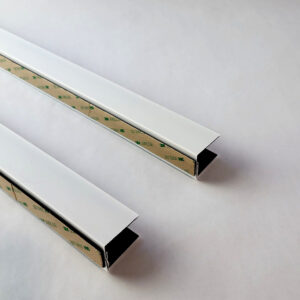
Even the greatest blinds let light in around the edges. Side channels and top tracks, such as those provided by Sleepy Time Tracks, prevent light intrusion around roller blinds. They transform regular blackout curtains into nearly pitch-black shields. This simple update effectively lowers urban light incursions, making it ideal for high-rise bedrooms facing bustling streets.
3. Use Room Darkening Curtains
Place thick, room-darkening drapes over your blinds or tracks. Select fabrics with thermal backing to block light and regulate temperature in high-rise units that tend to warm up or cool quickly.
4. Use Smart Timers and Lighting Controls
Automate lighting to align with natural patterns-softly dimming at night and preventing early sun disruptions. Smart lights and programmable switches are especially useful in high-rise buildings where outdoor lighting is difficult to control. Coordinate with your blackout arrangement so that when the curtains are drawn, the entire space maintains the sleep-friendly darkness.
5. Use Ambient Noise Masking
Elevation frequently results in increased ambient noise, such as elevator chimes, delivery trucks, or hallway chatter. A white noise machine or a bespoke sound machine can be used in conjunction with your light-blocking technique. The combined method of adjusting light and sound levels significantly improves sleep quality.
6. Mind Wall Colors and Reflections
Many high-rise homes incorporate glossy glass finishes with reduced wall space. Choose matte, deeper tones for drapes, walls, and furniture. Matte palettes absorb light rather than bounce it, which helps to sustain the blackout effect.
7. Protect Other Light Sources
Do not overlook non-window sources. Doorway gaps, HVAC vents, and even alarm clocks can emit distracting light. Cover your digital displays with a thin cloth or blackout tape while sleeping. Consider using opaque draft stoppers to fill door gaps. When it comes to optimizing for relaxation, every bit of light counts.
By combining these seven hacks you can create a comprehensive solution that addresses the major challenges of high-rise sleeping spaces.
Maintaining continuous darkness promotes not only faster sleep onset but also deeper, more restorative sleep cycles. Sleepy Time Tracks offers specific side channels, top tracks, L-tracks, and light gap blocker extensions crafted for blackout shades, helping you create complete room darkness effortlessly and with precision.
Visit us to explore solutions that help you achieve complete room darkness and restful sleep.